The Psychology of Repetition: Why Kids Want the Same Story Every Night
Every parent has experienced it: you sit down to read bedtime stories, hoping to introduce something new, but your child insists on the exact same one. Sometimes it feels like you’ve read it hundreds of times. While adults crave variety, children are drawn to repetition — especially at bedtime. But why do kids want the same story every night?
The answer lies in psychology, learning, and emotional development. Repetition isn’t just a quirky toddler demand; it’s a powerful tool that shapes memory, language, and feelings of security.
Repetition Builds Understanding
Children are natural learners, but their brains process information differently than adults. Repetition helps them master new concepts and words by reinforcing connections in the brain. Each time they hear the same story, they recognize familiar words, rhythms, and sequences, making the story easier to follow.
Language Development: Familiar stories improve vocabulary and comprehension.
Pattern Recognition: Predictable structures help toddlers understand cause-and-effect.
Confidence: Being able to anticipate what comes next gives children a sense of mastery.
Comfort in Predictability
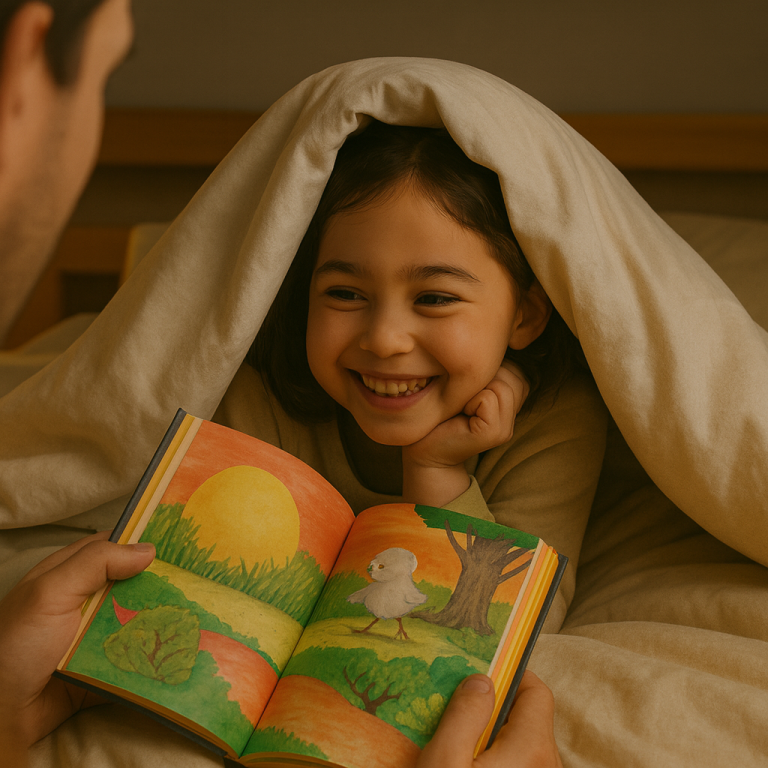
Life is full of new and sometimes overwhelming experiences for young children. A repeated story becomes an anchor of comfort, especially before bed when separation anxiety may surface. Predictability creates safety.
Emotional Security: The same bedtime story reassures children at the end of the day.
Bedtime Signal: Repetition cues the brain that it’s time to sleep.
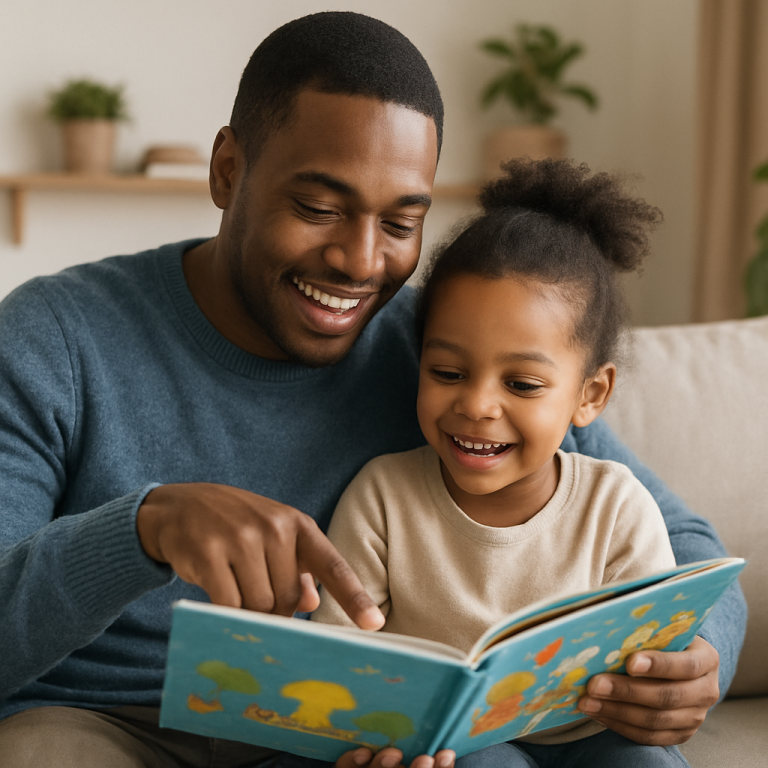
Bonding: Shared storytelling fosters closeness between parent and child.
The Role of Memory and Brain Development
Repetition strengthens neural pathways. Just like practicing a song or skill, repeating stories cements memory. Toddlers thrive on hearing the same phrases, which strengthens recall and builds early literacy skills.
Neural Wiring: Repeated exposure locks in knowledge faster.
Early Literacy: Kids begin to “read along” by memory, mimicking words and sentences.
Cognitive Growth: Repetition lays the foundation for complex learning later.
Control and Independence
Toddlers often feel small in a big world where adults make most decisions. Insisting on the same story gives them a sense of control. Choosing the familiar helps them feel in charge of their environment.
Agency: Picking the story builds independence.
Confidence Boost: Repetition allows them to feel “smart” for knowing what’s next.
Even if kids enjoy different books during the day, nighttime is special. The brain begins to slow down, and familiarity becomes essential for winding down. The bedtime context makes repetition even more powerful.
Transition to Sleep: Repetition tells the body to relax.
Reduction of Anxiety: Predictable stories help reduce nighttime fears.
Routine Reinforcement: Hearing the same story signals bedtime consistency.
The Parent’s Perspective
Parents sometimes worry that repetition is boring or limits learning. In reality, research shows it’s the opposite: children benefit more from repeated exposure than from novelty. For parents, reframing “the same story again” as a learning opportunity makes it easier to embrace.
Reassurance: Repetition is normal and developmentally healthy.
Teaching Tool: Each re-read is a chance to emphasize new lessons.
Connection: It’s less about the book and more about the shared moment.
Using Technology to Support Repetition
Parents sometimes worry that repetition is boring or limits learning. In reality,research shows it’s the opposite: children benefit more from repeated exposure than from novelty. For parents, reframing “the same story again” as a learning opportunity makes it easier to embrace.
Consistency on the Go: Even during travel, bedtime routines stay intact.
Variety Within Familiarity: Parents can record their voices telling the same story.
Scalable Learning: Repetition can be built into app-based story playlists.
When to Introduce Variety
While repetition is important, variety eventually helps broaden children’s horizons. Parents can gently introduce new stories by alternating them with favorites.
Blend Strategy: Keep one familiar story, add one new.
Child-Led: Let toddlers pick the order of stories.
Gradual Transition: Slowly expand their story world while honoring their favorite.
Conclusion
Repetition may test a parent’s patience, but for children, it’s deeply meaningful. Why kids want the same story every night is rooted in psychology: it strengthens memory, fosters emotional security, provides control, and prepares the brain for rest. Instead of resisting, parents can embrace repetition as an opportunity to bond and nurture growth.
Bedtime stories aren’t just about variety, they’re about connection. And for toddlers, nothing feels more secure than hearing the same words that guided them into dreams the night before.