
There’s something magical about the quiet moments before bedtime, the room dim, the covers tucked in, and the sound of a parent’s voice filling the air. For toddlers, those minutes aren’t just comforting; they’re deeply educational. Every bedtime story, whether read aloud or played through an app like Snoozly, helps shape how children understand words, emotions, and the world around them.
Many parents think of bedtime stories as a way to help their little ones fall asleep faster and they certainly do that. But what’s really happening is much bigger: their brains are learning how to listen, imagine, and eventually speak. In that soft glow before sleep, storytelling turns into one of the most powerful learning tools a child can experience.
The Hidden Power of Storytime
When you read to your child, you’re doing more than entertaining them, you’re helping their brain make sense of language. Every word, pause, and expression teaches rhythm, meaning, and emotion. Even simple lines like “The bear was tired” or “The moon was bright” introduce new vocabulary and patterns.
Children begin to recognize tone and pacing, picking up on how words change depending on how they’re said. That’s why they often want the same story repeated night after night, it’s how they build comfort and mastery.
Listening Before Reading: How the Brain Learns Language
Before a child learns to read, they must first learn to listen. Listening builds what experts call phonemic awareness the ability to hear and play with the sounds that make up words. When you slow down, stretch words (“soooo sleepy”), or read with rhythm, you’re actually helping your child understand how language works.
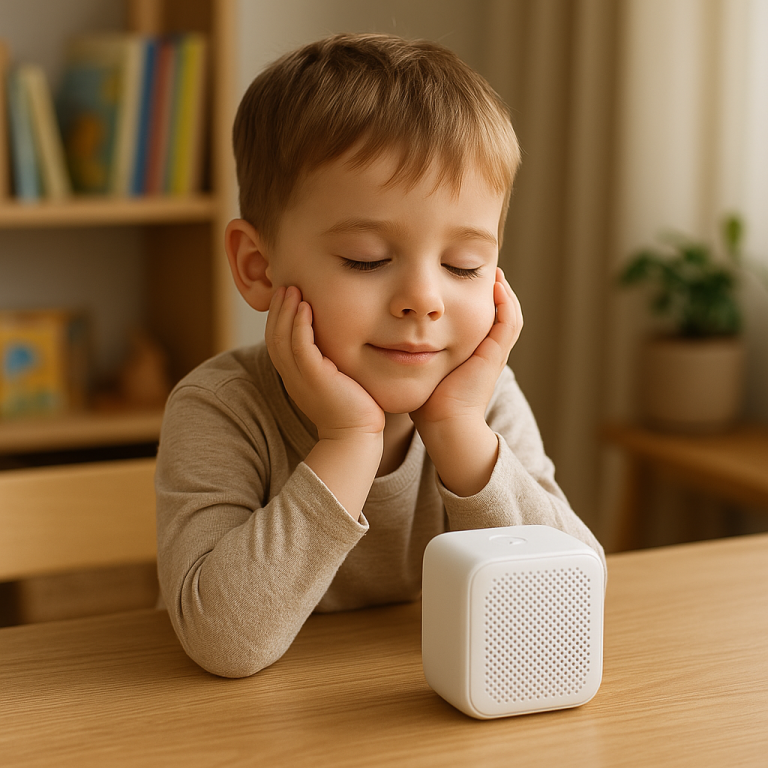
Audio storytelling, like what Snoozly offers, adds another layer. It lets kids hear different voices, accents, and tones while keeping their imagination active. Because they’re listening instead of watching a screen, their brain paints its own pictures, boosting creativity and focus at the same time.
Building Vocabulary Through Stories
Storytime is one of the easiest and most natural ways to expand your child’s vocabulary. Unlike drills or flashcards, stories teach words in context, which makes them stick. A sentence like “The little fox darted into the forest” helps your toddler understand what “darted” means simply by imagining the scene.
Every new word they hear becomes part of their growing language bank. Over time, these nightly stories help toddlers use longer sentences, ask better questions, and express emotions more clearly.
Making Storytime Interactive
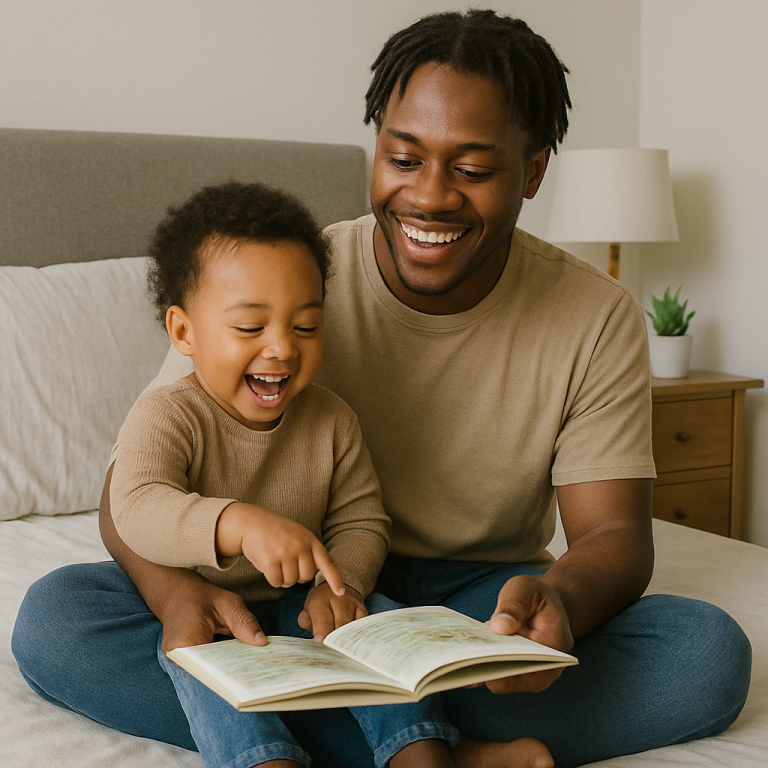
The best part about reading together is how naturally interactive it can be. You don’t need to turn bedtime into a lesson, just be curious together. Ask questions like, “What do you think happens next?” or “Why is the bunny sad?” Each question helps your child think critically and talk about what they understand.
Encourage them to repeat words or finish familiar lines. These small moments help toddlers connect language to meaning and feel proud of participating. When you alternate between reading yourself and letting Snoozly narrate, your child gets the best of both worlds, the warmth of your voice and the variety of others.
The Emotional Side of Learning
Beyond language, storytelling builds emotional intelligence. A calm, caring voice helps toddlers learn empathy and self-regulation. When they hear about a character being kind, scared, or brave, they start to understand and label those same feelings in themselves.
This emotional awareness makes bedtime stories more than an educational tool, they become a safe space. In your tone, your pauses, and your patience, your child learns that words are not just for communication but for comfort and love.
Conclusion: One Story at a Time
A bedtime story might seem like a small part of your evening, but its impact is lifelong. Each story grows your child’s vocabulary, focus, and empathy. It’s not just preparation for reading, it’s preparation for understanding the world.
Whether you’re reading from a favorite book or playing a calm Snoozly story, what matters most is the connection. Every “goodnight” story is a shared promise: to learn, to dream, and to love through words.
So when your toddler says, “One more story,” take a deep breath and smile, because that one more story might just be the one that helps them grow in ways you can’t yet see.