How To Help Kids Sleep Better With a Good Bedtime Routine
Bedtime is one of the most precious parts of the day, yet it can also be one of the trickiest. Kids are full of energy, excitement, and curiosity. Sleep is the last thing on their minds. But a well-structured bedtime routine can transform nighttime from a struggle into a peaceful moment both parents and children can look forward to.
In this guide, you will learn how to create a bedtime routine that helps kids fall asleep faster, stay asleep longer, and wake up feeling happy and refreshed. Simple changes can make a huge difference.
Why Sleep Matters So Much for Kids
Sleep is not just rest. It is when children grow, process emotions, strengthen memory, and reset their brains for a new day. Kids who consistently get good sleep are more likely to:
Stay focused in school
Handle big feelings better
Build stronger immune systems
Grow and develop at a healthy rate
Enjoy better moods and social interactions
On the other hand, a lack of sleep can lead to tantrums, hyperactivity, and struggles with learning. A good bedtime routine protects their long term health.
How Consistency Builds Healthy Sleep Habits
Kids thrive on predictability. When they know what to expect, their brains send signals that it is time to slow down. A consistent routine helps regulate the body’s internal clock. That makes it easier for kids to fall asleep on time instead of tossing and turning.
Even on weekends, try to keep bedtime and wake-up times within the same 30 to 60 minute window. A routine becomes powerful when it becomes a habit.
Step-by-Step Bedtime Routine That Actually Works
Below is a routine that suits most children ages 2 to 10. It can be adjusted based on age or cultural routines at home.
Total time: 30 to 60 minutes
1. Transition Time
Help kids shift from play to calm mode. Ideas:
Dim the lights
Turn off loud music or screens
Offer a warm bath or shower
Move to a quiet room
This step signals the brain that bedtime is coming.
2. Hygiene Habits
Teeth brushing and washing up are key. This builds lifelong self-care habits and prevents stalling later.
3. Pajamas and Cozy Comfort
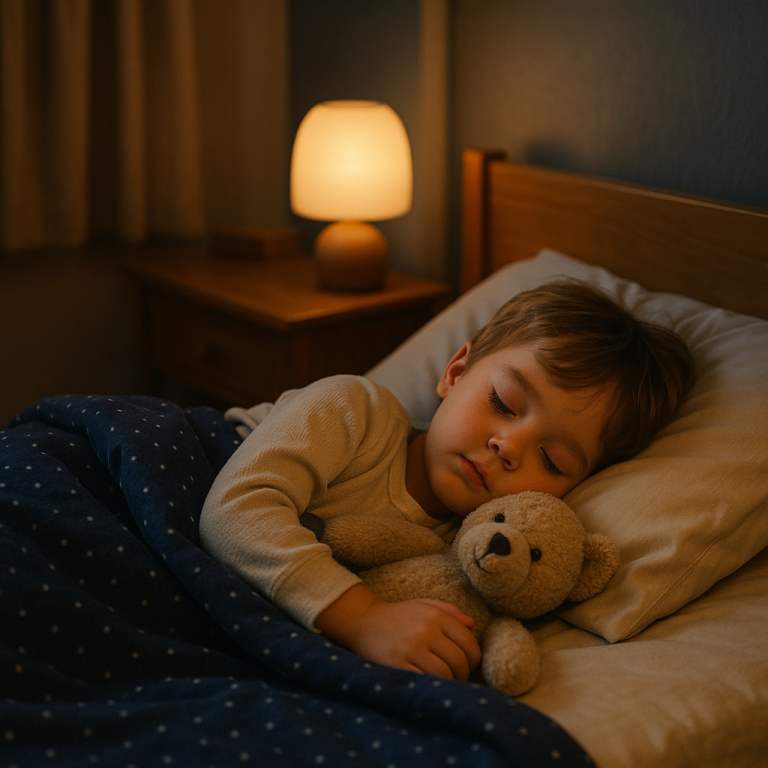
Let kids pick comfy PJs and a favorite stuffed friend. Giving them small choices creates excitement and cooperation.
4. Bedtime Stories
Stories calm the mind while strengthening imagination and vocabulary.
It is also one of the best bonding moments of the day.
This is a wonderful way to help children become lifelong readers while also relaxing their minds.
5. Quiet Talk or Gratitude Moment
Give your child space to share what is on their mind.
Try questions like:
“What was the best part of your day?”
“What is something you learned today?”
“Who did you help today?”
Gratitude helps kids settle their emotions before sleep.
6. Final Comfort Check
Children need a sense of security.
Do a quick checklist:
Their favorite plushie is with them
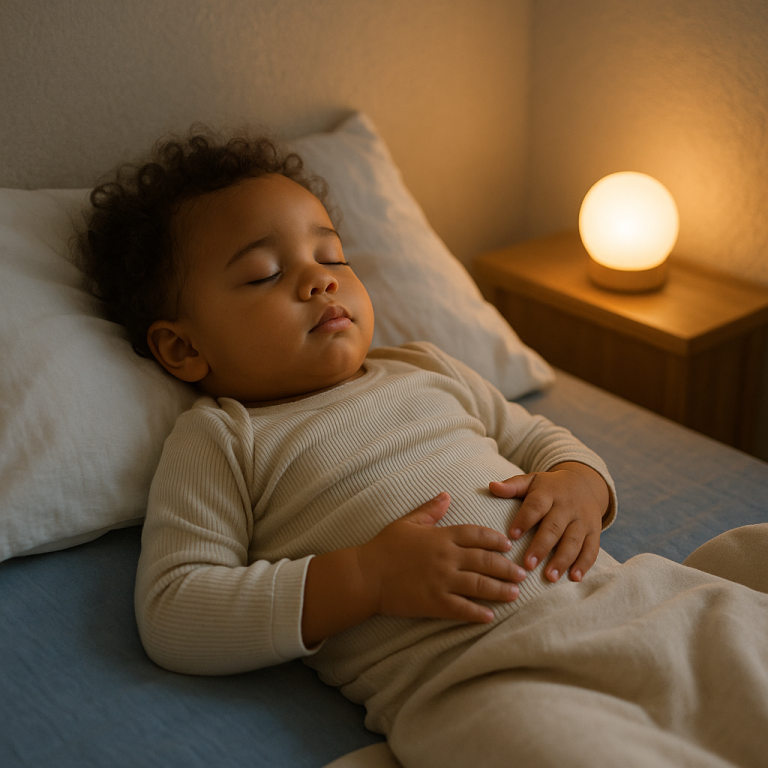
The nightlight is on if needed
Room temperature feels good (ideal is around 65–70°F or 18–21°C)
A hug, kiss, and a simple phrase like “Good night, love you, see you in the morning” works magic.
Tips to Make Your Routine Even Stronger
Here are small things that make a big difference:
Avoid sugar and caffeine after late afternoon
Keep screens off 60 minutes before bed
Encourage daily exercise and outdoor play
Make the bedroom a calm environment only for restSpeak softly during bedtime routine
Routine is not a race. Move together at a calm pace.
What To Do When Kids Resist Bedtime
Sometimes children push back. That is normal. Here are ways to help them cooperate:
Offer limited choices, like two pajama options
Use routine charts with pictures for younger kids
Give gentle countdown reminders
Stay calm even if they are not
Praise effort and progress
When kids feel included and respected, they are more willing to participate.
Example 45-Minute Routine for Younger Kids
Time
Activity
7:15
Bath and hygiene
7:25
Pajamas + calm play (puzzles or books)
7:35
Story time
7:50
Talk, gratitude, lights dim
8:00
Good night and sleep
Consistency helps their bodies naturally wind down at the same time every night.
Bedtime Routines Grow With Your Child
As kids grow older, their routine can mature too. School-age children might enjoy:
Journaling
Soft music
Quiet reading alone
Breathing exercises
It is about creating responsibility while still offering comfort and love.
Make it Fun and Memorable
The goal is not perfection. The goal is connection. Bedtime is one of the rare moments when distractions fade and real bonding happens.
You can add:
A silly bedtime song
A unique handshake
A family goodnight saying
These rituals create memories kids carry for life. One day, they might pass them on to their own children.
Conclusion
Helping kids sleep better does not require fancy tools or complicated methods. It starts with a consistent, loving bedtime routine that teaches their bodies and minds when it is time to rest.
With a predictable schedule, a calm environment, and nurturing moments of storytelling and connection, bedtime becomes something every child can look forward to. And parents can finally enjoy a peaceful evening knowing their little one is resting well.
Sleep is a gift for the whole family. You are not only putting your child to bed. You are helping them grow, learn, and wake up ready for a new day full of possibilities.