
When “I’m Hungry!” Becomes a Nightly Habit
Every parent knows the bedtime routine well, pajamas, teeth brushing, lights dimmed, and just when you think you’re done, a little voice says:
“I’m hungry.”
It’s easy to assume it’s just a stall tactic, but often, it’s genuine. Toddlers burn through energy fast, and their tiny tummies can empty quickly, especially if dinner happened hours before bedtime.
The right bedtime snack can prevent midnight wake-ups and support smoother sleep. But here’s the catch , not all snacks are created equal. Some foods gently calm the body, while others can trigger restlessness, sugar spikes, or even tummy discomfort.
Let’s explore what really helps (and what hurts) toddler sleep when it comes to nighttime snacks, with realistic, parent-tested ideas that keep bedtime peaceful and cozy.
Why Snacks Before Bed Matter
Toddlers are active explorers. Between constant movement, playtime, and growth spurts, their energy demands are high. As their bodies prepare for sleep, a light, balanced snack keeps blood sugar steady throughout the night.
When blood sugar dips too low during sleep, toddlers may wake up cranky, thirsty, or hungry. This is especially common after early dinners or active evenings.
But bedtime snacks aren’t about filling their stomachs, they’re about balance, not fullness.
The goal is to provide slow-burning energy that gently supports rest, not overstimulation.
A small snack, offered at the right time, can act like a bridge between dinner and morning, keeping the body calm and the mind comforted.
The Science Behind Bedtime Snacks
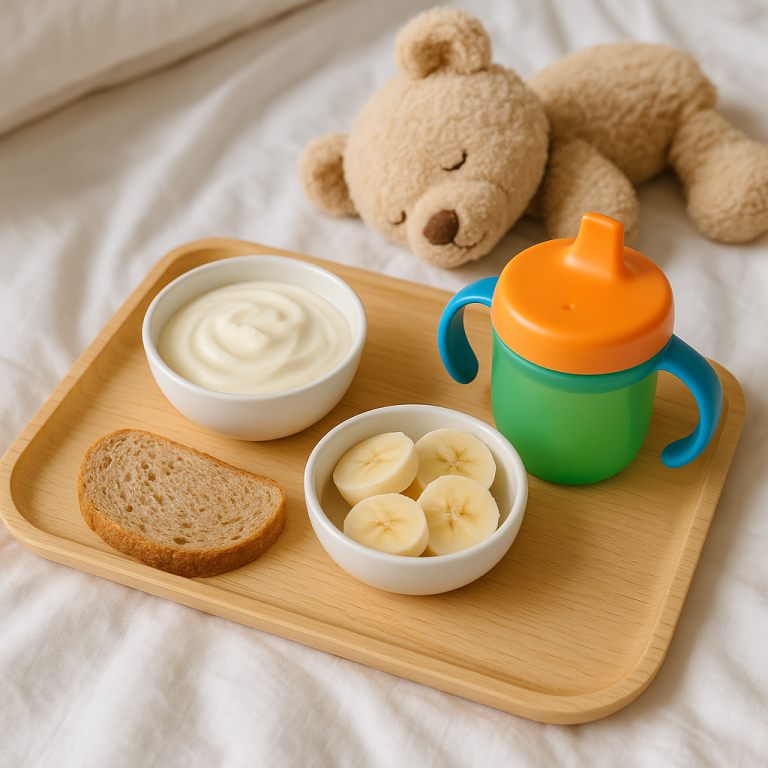
Bedtime snacks work best when they include complex carbohydrates, protein, and minerals that support relaxation. These nutrients stabilize blood sugar and trigger neurotransmitters like serotonin and melatonin, key players in sleep readiness.
- Complex carbs (like oats or whole grains) help the brain absorb tryptophan, an amino acid that supports serotonin production.
- Protein (from nut butters, yogurt, or milk) provides slow energy release and helps maintain steady glucose overnight.
- Magnesium and potassium (found in bananas or almonds) relax muscles and prevent nighttime leg cramps.
Together, these nutrients create a calm internal environment, a contrast to sugar-filled snacks that spike energy and cause crashes mid-sleep.
Smart Snack Choices: What Actually Helps
Here are a few bedtime-friendly snacks that soothe, nourish, and prepare the body for rest:
1. Bananas
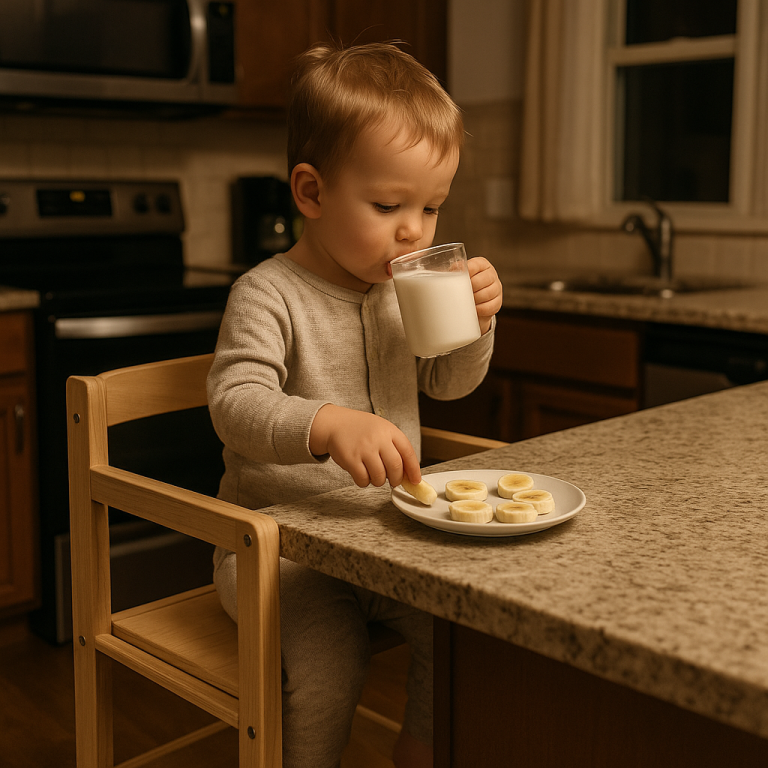
Packed with magnesium and potassium, bananas relax the body’s muscles. They’re also a natural source of tryptophan, which helps the brain produce serotonin.
2. Warm Milk or Yogurt
Warm milk isn’t just an old wives’ tale, it genuinely promotes calm. The amino acid tryptophan helps produce melatonin, the hormone that regulates sleep. Yogurt also offers probiotics, which can support digestion overnight.
3. Whole-Grain Toast with Nut Butter
This combination provides both slow carbs and healthy fats, keeping toddlers full without overstimulation. Choose unsweetened nut butters (like almond or peanut) for natural energy balance.
4. Oatmeal with a Few Berries
Warm oats can act as a “comfort bowl” before bedtime. They’re rich in melatonin and help the body wind down, while berries add a gentle sweetness without a sugar overload.
Snacks to Avoid: What Hurts Toddler Sleep
Some snacks seem harmless but secretly sabotage sleep. The main culprits? Sugar, caffeine, and artificial additives.
Here’s what to skip (or save for earlier in the day):
- Chocolate: Contains both sugar and caffeine a double hit that can cause restlessness.
- Fruit gummies or flavored yogurts: Marketed as healthy, but often packed with hidden sugars.
- Juice or sweet drinks: Quick sugar spikes followed by crashes can cause nighttime wake-ups.
- Salty snacks (chips or crackers): Can make toddlers thirsty, leading to more water, and more bathroom trips, before bed.
The rule of thumb: avoid anything that boosts energy instead of calming it. The goal is steady, not stimulating.
Timing Is Everything
Even the healthiest snack can backfire if it’s given too close to bedtime. Eating right before lying down can lead to indigestion, restlessness, or even discomfort.
The sweet spot? About 45 minutes before bedtime.
This allows the body to digest food and stabilize energy before sleep. After snack time, gently transition into your bedtime routine, brushing teeth, reading, and dimming the lights.
You can even make it part of the ritual:
- 7:00 p.m. — Snack
- 7:15 p.m. — Bath and pajamas
- 7:30 p.m. — Storytime
- 8:00 p.m. — Lights out
This structure teaches your toddler what’s coming next, helping their body naturally prepare for rest.
The Emotional Side of Snack Time
Bedtime snacks aren’t just physical nourishment, they’re also emotional comfort.
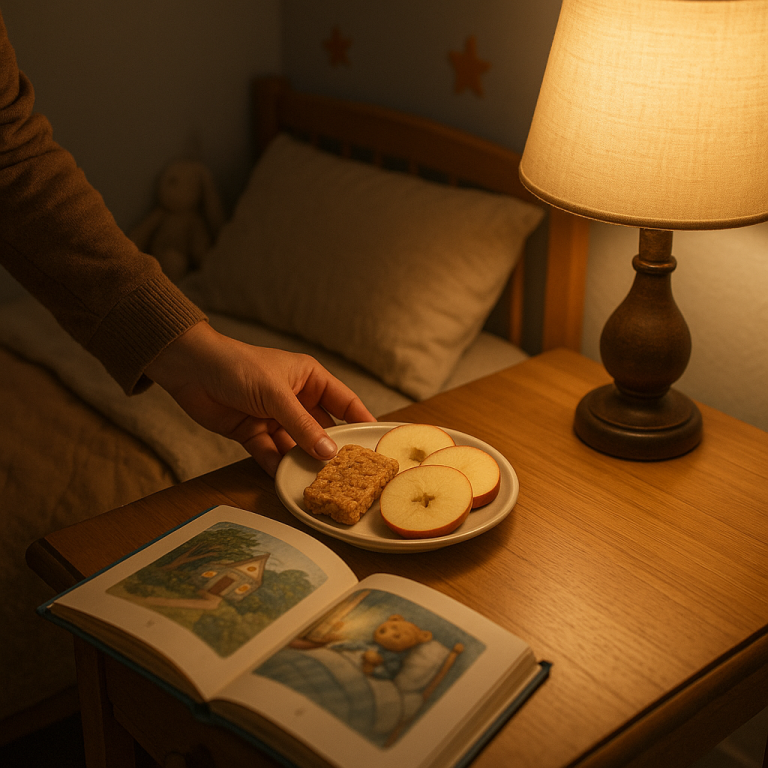
When parents sit down with their child for a small evening snack, it creates a moment of connection. Toddlers feel secure knowing their needs are being met, hunger, comfort, and attention.
That feeling of safety directly impacts sleep quality. Studies show that emotionally secure children fall asleep faster and wake less frequently during the night.
Use snack time as a gentle pause in the day. Ask about their favorite part of the day, laugh about something small, or simply enjoy quiet together. It’s a mini reset before bedtime, not just for them, but for you too.
Pairing Snacks with Storytime: A Perfect Sleep Combo
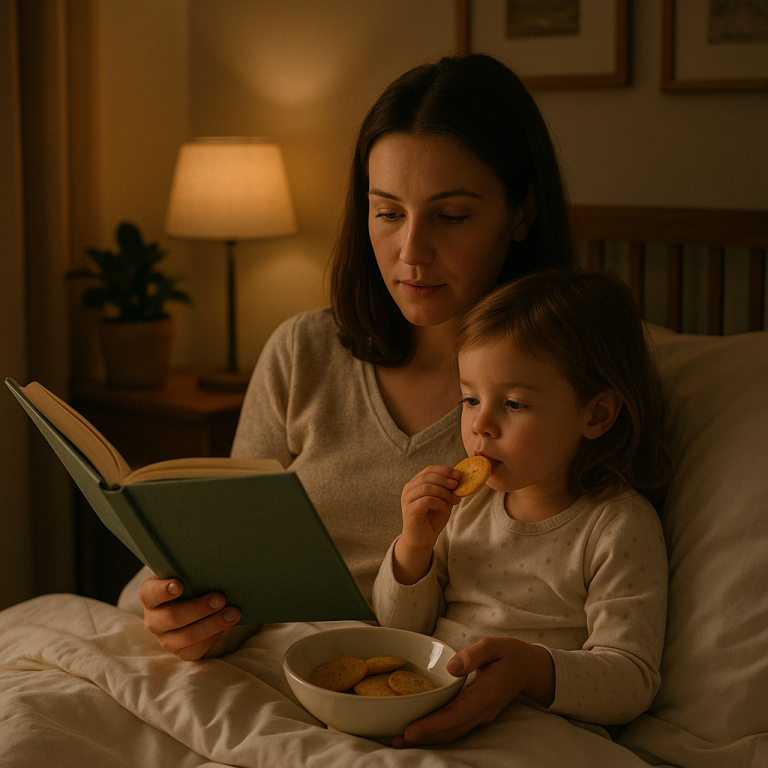
Once your toddler finishes their snack, the next best step is to shift toward story-based calm.
Stories activate imagination and relaxation at the same time, engaging the mind while signaling emotional closure for the day.
You can even create themed evenings: “Banana and the Moon” followed by a bedtime story about stars, or “Milk and Magic Time” where you read a gentle fairy tale.
Using Snoozly’s bedtime story app enhances this ritual. The soothing voice narration, slow pacing, and gentle music help transition your child’s attention from eating to dreaming, from activity to stillness.
When storytime follows snack time, it reinforces predictability. Your toddler learns: “After my snack comes my story, and then sleep.” That sense of rhythm is what makes bedtime peaceful.
Avoiding Common Snack-Time Pitfalls
Even well-meaning parents can fall into a few traps when it comes to bedtime snacks:
- Serving too much food.
A large snack can feel like a second dinner, leaving kids too full or uncomfortable to sleep. Stick to small portions, just enough to satisfy light hunger. - Too much variety.
Offering multiple snack options can overstimulate choice-making. Keep it simple with one or two consistent bedtime-friendly snacks. - Associating snacks with stalling.
If your child uses “I’m hungry” as a delay tactic, calmly set limits. Offer the snack at a set time, and once bedtime starts, remind them it’s snack time tomorrow.
Forgetting hydration balance.
While it’s okay to offer a few sips of water or milk, avoid big drinks right before bed — it often leads to early wake-ups for bathroom breaks.
The Sweet Spot: Feeding Connection, Not Just Hunger
The best bedtime snacks aren’t just about nutrients, they’re about nurturing trust. When handled with calm intention, this small act can turn the end of the day into something your child looks forward to.
A simple ritual like “snack, story, sleep” does more than help kids rest, it builds emotional regulation, connection, and comfort. Over time, your toddler learns to associate bedtime with warmth, predictability, and care, the building blocks of lifelong healthy sleep habits.
So, next time you hear, “I’m hungry,” before bed, smile. It’s not just hunger. It’s a small invitation for connection, one that, when met with love and calm, can transform bedtime into the sweetest part of the day.
Conclusion: Calm Nights Begin with Gentle Nourishment
A bedtime snack, done right, is a bridge, from energy to rest, from activity to stillness, from day to night. It’s a moment that blends nutrition, routine, and emotional security.
The best snacks aren’t the ones that fill their bellies the most, but the ones that fill their hearts with comfort.
So keep it simple. Keep it warm. Keep it loving. And let the gentle rhythm of snack, story, and sleep carry your toddler and you toward peaceful nights.