
As parents and caregivers, seeing your little one, usually full of boundless energy and curiosity, slow down with a cough, a fever, or just a general “off” day can be one of the more stressful parts of parenting. Toddlers, really, are tiny explorers of germy worlds: they touch everything, pop things into their mouths, hug friends, greet strangers, and bring home more than craft projects from daycare. That means when your toddler gets sick, it’s not just a one-day hiccup, it can ripple through routines, sleep, meals, and your own peace of mind.
In this blog, we’ll dive into: why toddlers get sick more often, which illnesses are most common, how to tell when it’s “just a virus” vs. when you should call the doctor, gentle at-home care strategies, how to ease your own stress as a parent, and ways to reduce the next round of illness (because yes, there often is a next round). We’ll anchor back to some of our previously published topics to help you build a full-spectrum toddler, care toolkit.
Why Toddlers Get Sick More Frequently
Toddlers are uniquely vulnerable to frequent illness for several interconnected reasons:
- Immature immune systems: At this stage, your child’s immune system is still “learning” how to cope with a wide array of germs. The more microbes they meet, the more their system builds memory, which is a good thing long-term, but it means more bump-ups short-term. (Hopkins Medicine)
- High exposure environments: If your toddler attends daycare, preschool, or plays with other kids frequently, the exposure to shared toys, surfaces, and airborne germs is high. One child’s sniffle can become a little epidemic of “who next?” among the toddlers. (Children’s Hospital Colorado)
- Behavioural factors: Toddlers tend to explore with hands and mouth, often touching their face or mouth soon after touching shared objects. Sanitizing, hand-washing, and preventing face-touching are ways to reduce risk, but easier said than toddler-done.
- Recurring routines and seasons: As seasons shift (especially into colder months), viral illnesses like colds, flu, and respiratory viruses rise. Toddlers don’t always wipe off the schedule, so the “back‐to‐group” routines bring waves of germs. (Children’s Hospital Colorado)
Understanding these elements helps the caregiver mindset shift: it’s not just “why is my child sick AGAIN?” but “given they are a toddler, what can we reasonably do, and when is it actually serious?” This is where our previously published post “Everyday Toddler Nutrition Basics” becomes helpful, a healthier baseline can mean less severe illness.
Common Toddler Illnesses to Know
Here are some of the frequent illnesses you’re likely to see in the toddler years — knowing them helps you feel less startled and more prepared:
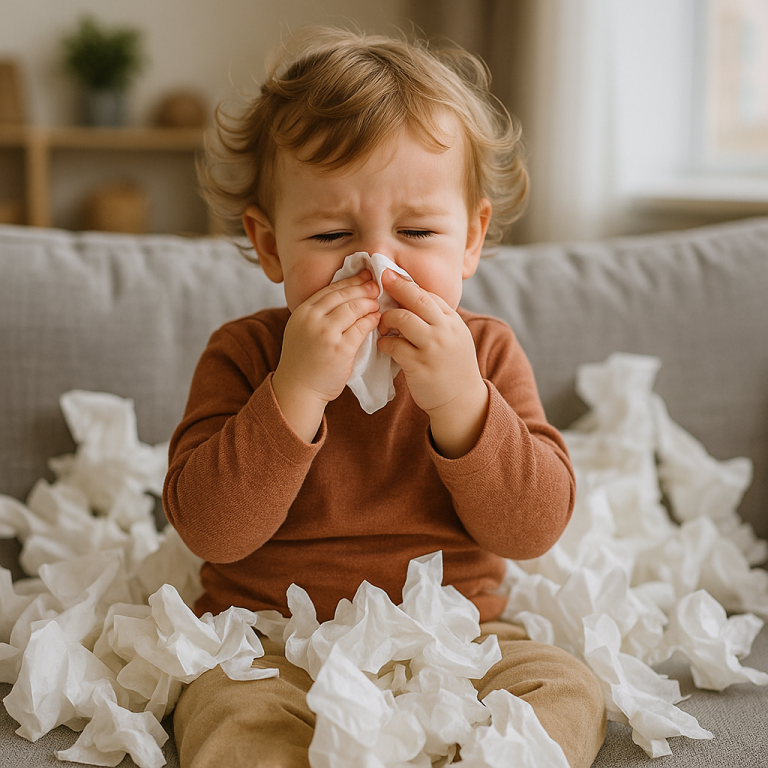
- Common cold / upper respiratory virus – Runny or stuffy nose, sneezing, cough, mild fever, general tiredness. These viruses are very common because toddlers pick up germs easily in group settings. (Caring for Kids)
- Ear infections (otitis media) – Because toddlers’ Eustachian tubes (which connect the middle ear to the throat) are shorter and more horizontal than adults’, fluid can build up and bacteria or virus can thrive. Symptoms: tugging at the ear, trouble sleeping, fever. (Wake Forest Pediatrics)
- Flu (influenza) – A more serious viral illness, often with fever, body aches, cough, and general malaise. The flu can be tougher on toddlers. Prevention includes vaccination (if age-appropriate) and avoiding exposure. (Baylor Scott & White Health)
- Gastroenteritis (“stomach flu”) – Vomiting, diarrhea, tummy pain, possibly fever. While toddlers often recover, dehydration risk is higher so fluid intake is crucial. (Wake Forest Pediatrics)
- Hand, Foot and Mouth Disease (HFMD) – Especially common in children under 5. Fever, mouth sores, rash/blisters on palms/soles. Highly contagious but usually mild. (Metropolitan Pediatrics)
- More rare but serious conditions – Some infections may signal something more serious: e.g., persistent high fever, difficulty breathing, dehydration, lethargy. Signs to watch carefully. (Raising Children Network)
When you’re aware of these common ones, you start to see the pattern: toddler gets sniffle, then play group, then cough, then maybe ear-tug, then you’re at the doctor. Being pre-armed with knowledge helps ease parental anxiety.
When to Be Concerned (and When to Call the Doctor)
One of the hardest parts of toddler sickness is knowing when it’s safe to ride it out at home and when it’s time to seek medical care. Here are guiding signs:
Warning signs to watch for
- If your toddler is extremely drowsy or difficult to wake.
- If they’re having trouble breathing (rapid breathing, wheezing, retractions in chest, blue lips or face).
- If they won’t drink at all, or have very few wet nappies/diapers (sign of dehydration). (Raising Children Network)
- If their fever is very high (e.g., over 38.5-39 °C (101.3-102.2 °F), depending on your doctor’s guidance) and doesn’t respond to fever-reducer or continues more than 48-72 hours.
- If they keep vomiting or have repeated diarrhea and cannot hold down fluids.
- If there are seizures, stiff neck, rash that doesn’t blanch or spreads rapidly, severe ear pain or drainage from ear.
- If symptoms worsen rather than improve after a few days — especially in toddlers with underlying conditions (asthma, immunodeficiency, etc.).
When home care is okay
If your toddler has runny nose, mild cough, perhaps low-grade fever (< 101 °F), still drinking fluids and playing minimally, and no red flags above — you can often care for them at home with rest, fluids, hygiene and comfort.
Remember: the advice from Centers for Disease Control and Prevention (CDC) and other pediatric health bodies is always to seek professional care if you’re unsure. (CDC)
Since we’ve previously covered “When to Call the Pediatrician for Your Toddler” in our blog library (📌 see our earlier post “When to Call the Pediatrician for Your Toddler”), you may refer to that for a detailed checklist.
Gentle Home-Care Strategies for Sick Toddlers
While certain illnesses must be assessed by a physician, many viral illnesses run their course with time and good home care. Here are strategies that help ease discomfort, support recovery, and reduce the chance of complications.
1. Hydration
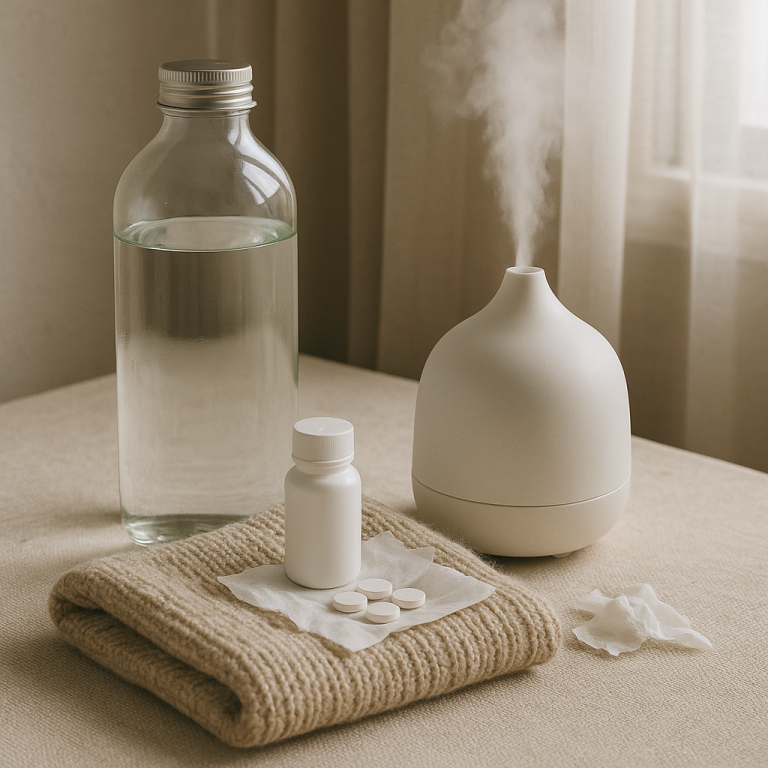
Offer plenty of fluids — water, milk (if age-appropriate), diluted juice (if recommended by your pediatrician). For vomiting/diarrhea, consider oral rehydration solutions (ask your doctor). Encourage small sips frequently rather than big gulps if the child is feeling nauseous.
2. Rest and soothing environment
Rest is one of the best recoveries. Encourage quiet play, reading, cuddling. Maintain a comfortable room temperature. Use a humidifier in the room if the air is dry, especially if there’s cough or congestion.
3. Fever & pain relief
If your toddler is uncomfortable, feverish or has aches, medications like age-appropriate acetaminophen or ibuprofen can be used (under doctor’s guidance). Always follow dosing instructions by weight/age. And remember: fever in itself is not always bad — it’s the immune system working — but if it causes distress, it’s okay to treat.
4. Congestion relief
For toddlers with nasal congestion, saline drops and a gentle suction bulb (if age allows) can help. Elevating the head slightly (if safe and recommended) may assist breathing. Breathing warm steam (like a warm bath) may soothe.
5. Good hygiene and isolation when needed
Teach and model hand-washing. If your toddler is sick, try to keep them away from other children (especially younger siblings or immunocompromised family) until symptoms lessen. Clean high-touch surfaces and toys. Viral illnesses spread quickly in group settings. (Baylor Scott & White Health)
6. Comfort and reassurance
Being sick can be scary for small children. Extra cuddles, favorite toys, quiet stories or songs help them feel safe. Also look after yourself — when caregiver stress rises, it affects your ability to respond calmly. Taking short breaks, asking for help, and remembering that illness is part of toddlerhood can ease parental guilt.
Prevention & Minimising the Next Round
Preventing illness completely is unrealistic (especially with toddlers), but reducing frequency, severity and spreading can be achieved with consistent strategies.
Vaccinations
Keep the toddler’s immunizations up to date (flu shot, other age-appropriate vaccines). Vaccines reduce both probability and seriousness of many viral illnesses. (Wake Forest Pediatrics)
Hand-washing & hygiene routines
Encourage toddler-friendly routines: sing a hand-washing song for 20 seconds, make it fun. Clean toys/surfaces often, particularly in playgroup or daycare environments.
Healthy baseline: sleep, nutrition, movement
A toddler who sleeps well, eats a nutrient-rich diet and has active play has a stronger baseline. While it won’t stop every virus, it gives their immune system a stronger platform. (If you missed our earlier blog “Everyday Toddler Nutrition Basics”, that’s a handy companion to this topic.)
Avoiding exposure and managing environment
When viral outbreaks are common (flu season, RSV season), consider limiting exposure to large group gatherings if your child has just recovered or has underlying vulnerabilities. Use humidifiers in dry months and ensure proper ventilation.
Recognise patterns & act early
If you notice that your toddler is often sick right after starting daycare, or certain environments trigger infections, it may be worth coordinating with the daycare about cleaning practices, exposure management, and ensuring sick-child policies. Early detection (fever, cough) and isolation reduce spread to siblings and you.
Conclusion
Toddlers and sickness, it’s a duo almost every parent knows well. But armed with understanding, preparation and a calm approach, you can navigate it with far less stress and more confidence. When you know why toddlers get sick, which illnesses are common, how to care for them at home, when to call in the professionals, and how to reduce future rounds, you shift from feeling reactive to being proactive.
What matters most is: you’re their safe harbour. Your calm voice, your reassuring presence, your warmth when they feel small and under the weather matters deeply. Combine that with good baseline practices (nutrition, sleep, hygiene) and you’ll build a stronger environment for their health and your own peace of mind.
If you’d like more specific posts on managing toddler sleep while sick, or toddler nutrition during illness, let me know and I can link those too. Take care, and here’s to fewer tissues and more giggles in the weeks ahead.