The Hidden Connection Between Daytime Stress and Kids’ Nighttime Sleep
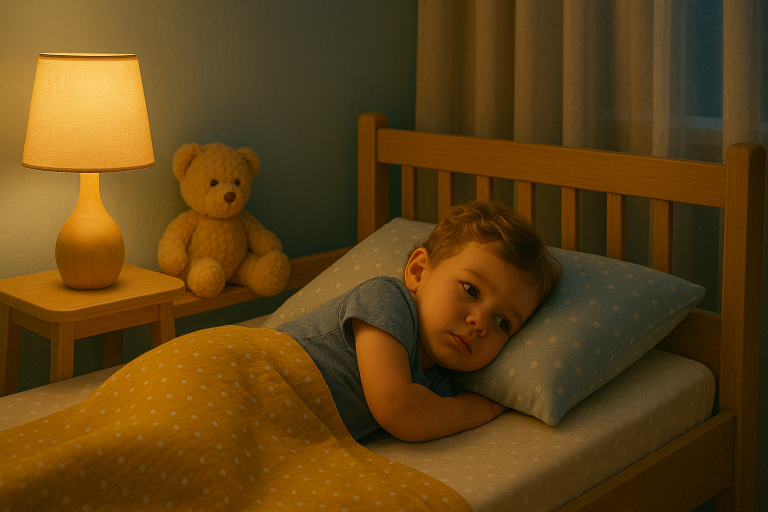
Every parent knows the frustration of bedtime battles. You dim the lights, read a story, and tuck your child in, only to find them tossing, turning, or calling out for comfort. While we often focus on routines and environments, the real challenge might have begun much earlier in the day.
Daily stressors, from a tough day at school to an overstimulating schedule, can follow children into the night. Understanding how daytime experiences impact kids sleep health is the first step to helping them rest more peacefully.
How Daytime Stress Follows Kids Into Nighttime
Children, like adults, carry the weight of their day into bedtime. Arguments with siblings, academic pressures, or even too much screen time can create a restless mind. Unlike adults, children don’t always have the tools to process these emotions, so they show up as bedtime resistance or difficulty falling asleep.
Stress raises cortisol levels, a hormone that makes it harder for the body to relax. When kids are wound up from the day, their bodies fight the natural signals that promote sleep.
The Role of Overstimulation
Busy schedules and constant stimulation take a toll on children. When kids move from school to activities to screen time without breaks, their nervous systems stay in high gear. This overstimulation makes it difficult for them to shift into a calmer state needed for bedtime.
Just as adults may struggle to sleep after a busy day, kids need downtime too. Without it, their brains remain overactive, making it hard to transition into deep, restful sleep.
School Stress and Its Impact on Sleep
For school-age children, academic demands and social pressures are a major source of stress. Tests, homework, and peer interactions weigh heavily on young minds. Even small conflicts at school can feel enormous to a child and carry over into bedtime.
This often shows up as children delaying sleep, asking endless questions, requesting more water, or needing extra comfort. In reality, their minds are still processing the events of the day.
Household Tension and Emotional Climate
The home environment plays a big role in kids sleep health. Children are highly sensitive to household tension, whether it’s arguments, rushing through routines, or parental stress. They may not fully understand what’s happening, but they absorb the emotions around them.
A chaotic evening routine or stressful interactions before bed can leave kids feeling anxious. Even if everything seems fine on the surface, they may carry unease into sleep, leading to nightmares or frequent waking.
Signs That Stress Is Affecting Your Child’s Sleep
Parents may not always recognize the signs of stress-related sleep issues. Here are common red flags:
Practical Tips to Reduce Daytime Stress for Better Sleep
1. Create Downtime
Build in quiet moments during the day where children can play freely, read, or simply relax. This helps reset their nervous system before bedtime.
2. Limit Screen Time
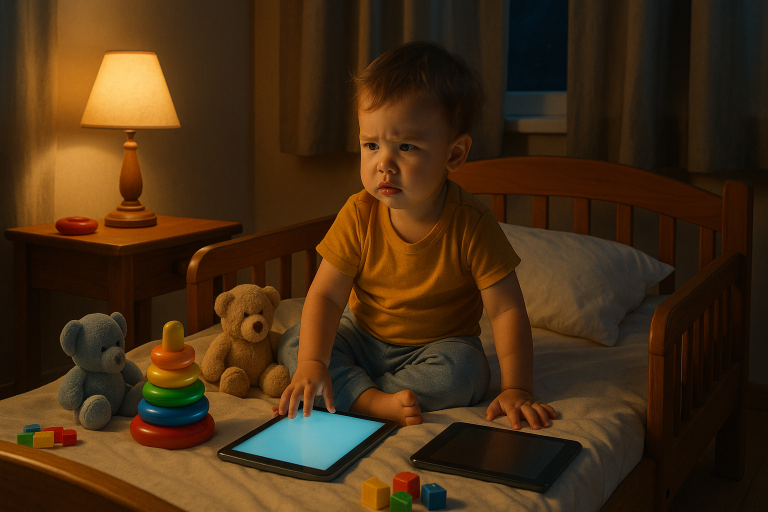
Too much screen exposure, especially before bed, delays melatonin production and keeps kids alert when they should be winding down.
3. Encourage Open Conversations
Give children a chance to talk about their day. Sometimes a five-minute chat before bedtime helps them release worries so they don’t carry them into sleep.
The Role of Calming Rituals
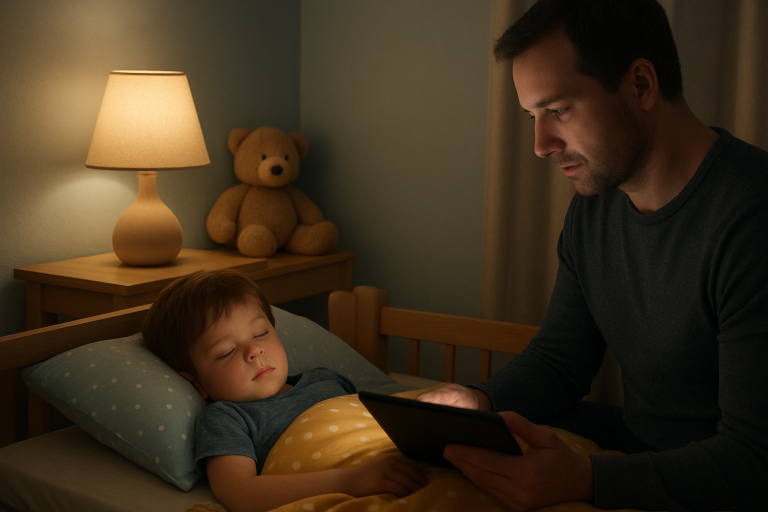
Even with daytime adjustments, bedtime rituals are essential. Reading a story, listening to calming audio, or practicing deep breathing can help children transition into sleep more easily.
A bedtime story app can be especially helpful. By providing consistent, soothing routines, it bridges the gap between busy days and restful nights. It also gives parents tools to support kids even when they feel drained themselves.
How Parents Can Model Stress Management
Children watch how parents handle stress. If parents rush through routines, stay glued to their phones, or express anxiety openly, kids may mirror those behaviors. By modeling calm habits — such as turning off screens, speaking gently, and taking time to relax — parents set the tone for peaceful nights.
This not only improves sleep but also teaches children valuable lifelong skills for managing their own stress.
Conclusion: Supporting Kids Sleep Health Through the Day
Bedtime struggles are often a reflection of what happened during the day. Stress, overstimulation, school pressures, and household tension all play a role in how well children rest at night.
By creating downtime, encouraging open communication, and maintaining calming bedtime rituals, parents can protect kids sleep health and ensure their children feel safe and supported as they drift off to sleep.