How Bedtime Stories Inspire Problem-Solving and Critical Thinking in Kids
Bedtime stories have long been a treasured tradition in households around the world. While many parents see them as a way to relax kids before sleep, their true impact reaches much further.
Stories are more than entertainment, they’re lessons wrapped in imagination. Through characters, challenges, and resolutions, bedtime stories for kids quietly teach problem-solving and critical thinking. These skills prepare children not only for school but for the decisions and challenges of everyday life.
Stories as Problem-Solving Scenarios
Every bedtime story includes some form of conflict: a puzzle to solve, a challenge to face, or an obstacle to overcome. When children hear these tales, they mentally step into the characters’ shoes. They imagine solutions, weigh options, and anticipate outcomes.
For example, a story about a fox finding its way home encourages kids to think about direction, decision-making, and persistence. A tale about sharing toys teaches compromise and fairness.
By walking through problems safely in their minds, children learn that every challenge has a solution, sometimes multiple ones.
Critical Thinking Through “What If?” Questions
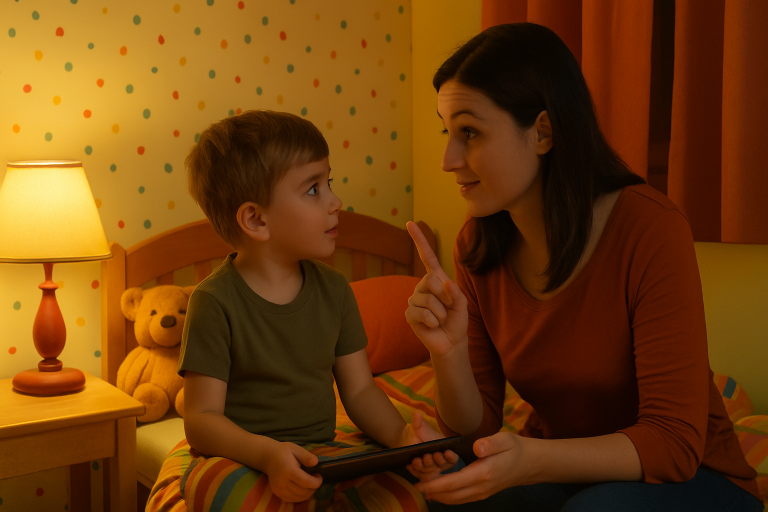
Bedtime stories naturally spark questions: What if the hero made a different choice? What would I do if I were in that situation? These “what if” reflections are the core of critical thinking.
Children begin to recognize that actions have consequences and that different decisions lead to different results. This flexible thinking helps them in school (when solving puzzles or math problems) and in life (when navigating friendships or making personal choices).
Building Resilience Through Story Challenges
Not every bedtime story ends with an easy victory. Characters may fail, struggle, or try multiple approaches before succeeding. This is powerful modeling for children. They learn that mistakes aren’t the end, they’re part of the process.
Stories normalize frustration and persistence, teaching resilience. A child who sees a character face setbacks understands that they, too, can overcome difficulties in real life.
Strengthening Communication and Logic
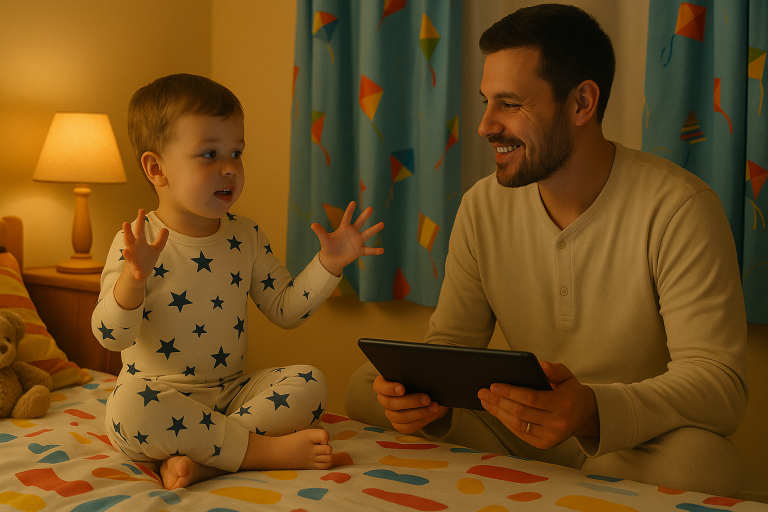
Bedtime stories also expose kids to new vocabulary, sequencing, and logical patterns. When a child retells a story, they practice structuring thoughts, identifying cause and effect, and explaining outcomes.
When children reflect on bedtime stories, they begin to form their own opinions: I think the character should have… I would have done… This independent thinking is key to decision-making and problem-solving later in life.
Unlike passive screen time, bedtime stories encourage active participation. Kids evaluate choices, compare them, and even disagree with characters. That willingness to question is the foundation of critical thinking.
Bedtime Stories as a Safe Space for Practice
Stories offer a safe rehearsal space. Kids can imagine dangerous or tricky scenarios, facing a dragon, being lost in a forest, or solving a mystery, without real-life consequences.
This safe exploration builds confidence. Children can experiment with problem-solving strategies in their minds, then carry those lessons into real situations.
The Role of Digital Storytelling in Modern Problem-Solving
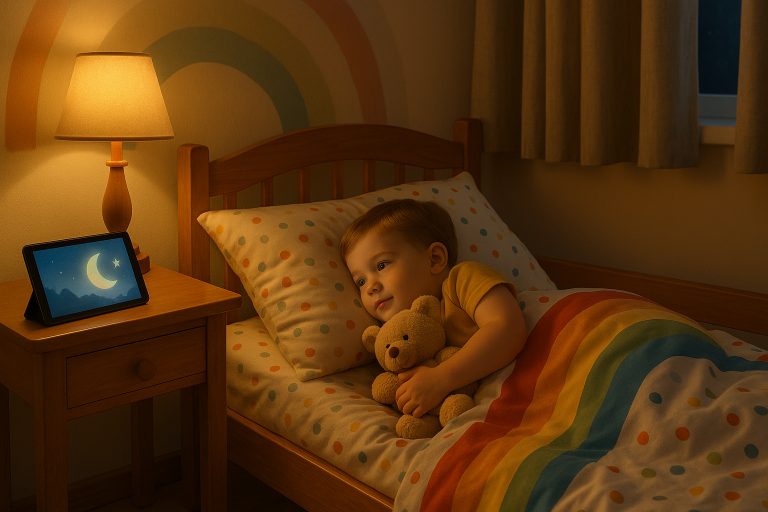
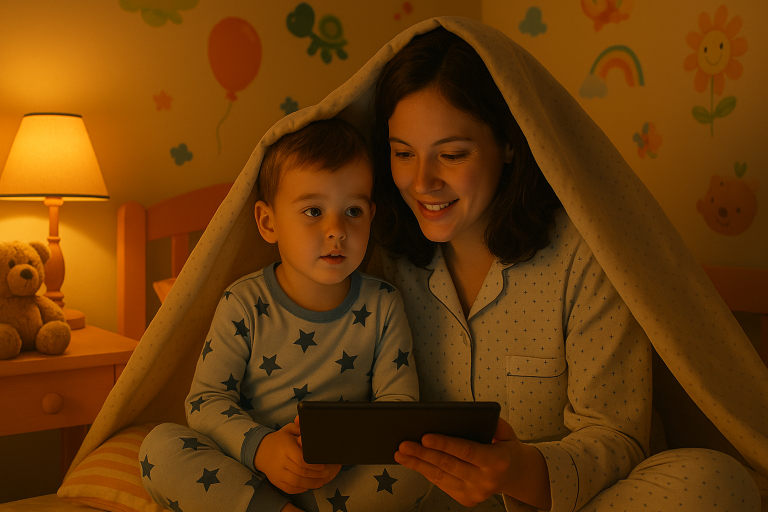
Today’s families often turn to apps for convenience, but not all digital content is equal. Bedtime story apps like Snoozly combine tradition with modern technology, offering curated stories that emphasize positive lessons, problem-solving, and imagination.
Unlike fast-paced videos, bedtime story apps slow the pace, allowing kids to think and reflect. This makes them powerful tools for building problem-solving and critical thinking skills in daily routines.
Everyday Lessons Beyond Bedtime
The problem-solving lessons from bedtime stories don’t end when the lights go out. A child who listens to a story about sharing might remember that lesson the next day at preschool. A story about courage may help them try something new, like speaking up in class.
By reinforcing these values night after night, parents equip children with life skills that shape behavior, choices, and confidence during the day.
um dolor sit amet, consectetur adipiscing elit. Ut elit tellus, luctus nec ullamcorper mattis, pulvinar dapibus leo.
Conclusion: Stories That Shape Thinkers and Problem-Solvers
Bedtime stories for kids are more than cozy traditions. They are early classrooms for problem-solving and critical thinking. Through challenges, questions, and reflections, children develop the mental flexibility they’ll use in school and life.
For parents, each story is more than just words, it’s a chance to guide children toward resilience, confidence, and creativity. With traditional storytelling or modern apps like Snoozly, bedtime becomes a moment to nurture young minds.
The lights may go out, but the lessons of problem-solving and critical thinking continue to shine brightly in every child who grows up surrounded by stories.