
Every parent has been there, hearing dozens of “helpful” sleep tips from friends, relatives, and social media. Some sound convincing: “Keep them awake so they’ll crash later!” or “Screens calm them down!” But many of these beliefs don’t just fail to help, they actually make bedtime harder.
The truth is, every child’s body follows natural sleep rhythms. When we misunderstand them, we accidentally create habits that lead to bedtime battles, overtired tears, and restless nights.
In this blog, we’ll debunk the most common bedtime myths parents still believe, explain the real science behind sleep, and share what actually works, backed by both research and calm, consistent parenting.
Myth 1: If They Skip Their Nap, They’ll Sleep Better at Night.
It seems logical, less daytime sleep should mean more nighttime sleep, right?
In reality, it’s the opposite. When toddlers miss naps, their bodies become overstimulated and stressed. The brain releases cortisol, a hormone that keeps them alert. While cortisol helps us handle stress during the day, it works against healthy sleep at night.
An overtired child often becomes wired, running around, giggling uncontrollably, or melting down out of exhaustion. Parents think they’re “not tired yet,” but their body is actually running on fumes. Once bedtime arrives, that cortisol spike makes it much harder for them to relax and fall asleep naturally.
Instead, daytime rest supports nighttime rest. Short, age-appropriate naps help regulate their internal clock. Even a 30-minute nap can make a huge difference in how quickly they drift off later.
Consistency is key — and that’s exactly why having a solid bedtime routine is so important for toddlers.

Myth 2: They’ll Grow Out of Bedtime Resistance.
Some parents wait for their kids to “grow out of” bedtime struggles, thinking resistance is just a phase. While development plays a part, bedtime habits are learned behaviors.
When a routine is inconsistent, bedtime changes nightly, stories are skipped, or lights stay bright, the child’s body never learns the natural rhythm of sleep cues.
Bedtime resistance doesn’t fade automatically; it’s reshaped through repetition and calm structure. Even simple rituals, brushing teeth, changing into pajamas, then reading one short story, act as signals that bedtime is coming. Over time, this sequence trains the brain to associate routine with relaxation.
Children crave predictability. It gives them a sense of control in a world that often feels big and unpredictable.
So the next time your toddler delays bedtime with “just one more,” see it as a chance to gently guide consistency, not enforce punishment. Calm firmness, combined with familiar cues, works far better than frustration.
Myth 3: Screens Help Them Relax.
In today’s world, it’s easy to think of screens as harmless bedtime companions, a short cartoon or soothing lullaby video seems like a quick fix. But even a few minutes of screen exposure can interfere with your child’s sleep cycle.
The culprit is blue light, which signals the brain to stay awake by blocking melatonin, the hormone that regulates sleep. That’s why children who use tablets or TVs before bed often take longer to fall asleep and wake up more during the night.
Instead of screens, create an environment that mimics dusk, dim lighting, soft voices, and slow activities. Replace video time with listening time. A narrated bedtime story from a parent or a calm storytelling app like Snoozly engages imagination without overstimulation.
If your child already associates screens with comfort, start small. Move screen time earlier in the evening, and slowly introduce calming stories afterward. Over time, the brain will begin associating quiet sound and soft tone, not bright visuals with sleep.
Over time, the brain will begin associating quiet sound and soft tone, not bright visuals with sleep.
Explore simple ways to make bedtime soothing without screens.
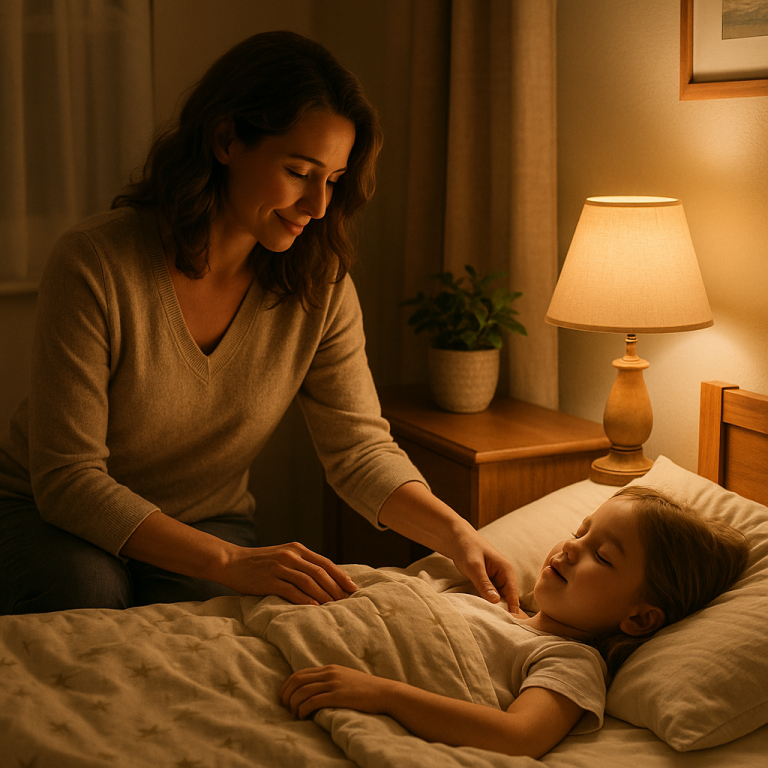
Myth 4: They Don’t Need You Once They Can Fall Asleep Alone.
Independence is important, but connection is even more powerful.
Even when toddlers can fall asleep on their own, emotional reassurance remains part of healthy sleep development. A simple bedtime interaction, like a gentle hug, a soft story, or a few kind words, strengthens a child’s sense of safety.
When kids feel emotionally secure, their sleep is deeper and more consistent. That’s because stress levels drop, allowing the body to rest fully. In contrast, children who feel ignored or rushed to sleep may develop nighttime anxiety or wake frequently to seek reassurance.
The good news? You don’t need to stay all night. Just focus on quality presence, a few minutes of full attention before lights out. Let your voice be their comfort cue. Even after a long day, a small ritual of connection communicates: “You’re safe. You’re loved. You can rest now.”
Myth 5: All Kids Need the Same Amount of Sleep.
It’s common to assume every toddler should sleep exactly 10 to 12 hours. But sleep needs vary based on temperament, growth stages, and activity levels. Some children wake early yet function well, while others thrive on longer rest.
The key is observing your child’s cues. Yawning, zoning out, or getting cranky are all signs of sleep readiness. Forcing a child to stay awake longer or nap on schedule when they’re already rested can backfire.
Instead of watching the clock, watch their body.
Consistency still matters, bedtime should be predictable, but flexibility is healthy. If your toddler seems tired earlier one night after a busy day, follow their lead. Structured flexibility honors their rhythm without causing confusion.

Myth 6: White Noise Will Fix Everything.
White noise machines can be wonderful tools, when used correctly. They mask background sounds and create a familiar audio environment. But too often, parents rely on them as a cure-all.
Sound machines work best as a consistent sleep cue, not a crutch. When the sound is too loud or left on all night, children may become dependent and struggle to sleep without it. The key is balance: low volume, steady tone, and pairing it with other calming cues like dim lights or bedtime stories.
You can also vary the routine, alternate white noise with soft narration or gentle music. This teaches your child to relax in different ways while keeping bedtime peaceful.
Think of white noise as part of the toolkit, not the whole solution.
Myth 7: The More Tired They Are, the Faster They’ll Fall Asleep.
It sounds logical, but exhaustion isn’t the same as readiness.
When toddlers stay up too late or skip naps, their sleep drive spikes, then crashes. The result is often the opposite of what parents expect: restlessness, crying, or nighttime awakenings.
Sleep researchers call this overtired insomnia, when fatigue pushes the body into fight-or-flight mode. The best prevention is to watch for early signs of tiredness and start bedtime before the meltdown hits.
Bedtime should feel like a gentle glide, not an emergency landing. A predictable routine, soft lighting, and calming stories help the brain shift from active to restful mode.
It’s not about how long they’ve been awake; it’s about how calmly they’re guided to re
Myth 8: Bedtime Has to Be Perfect Every Night.
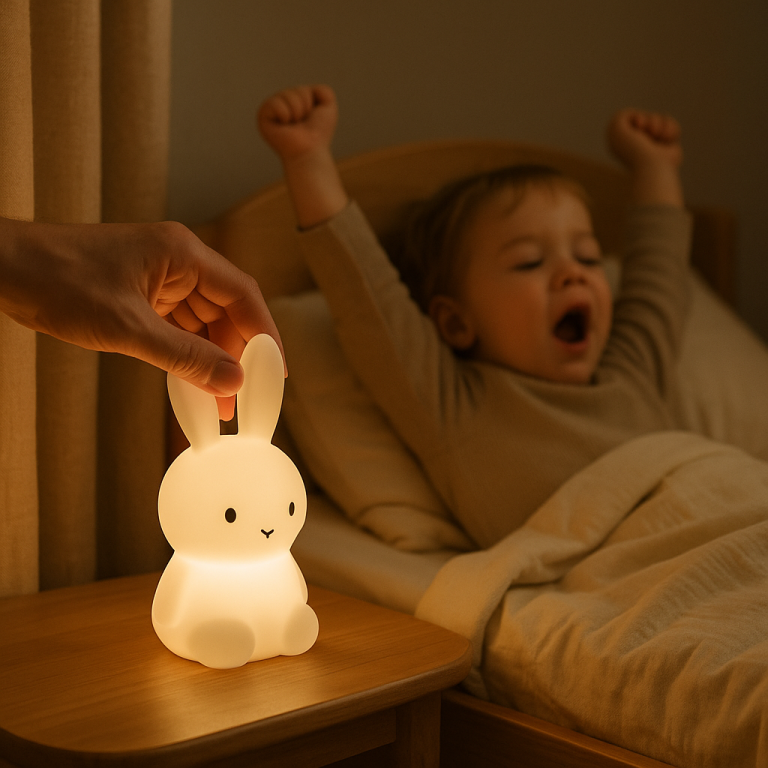
No routine survives real life untouched. Some nights you’ll skip stories, others will involve giggles, messes, or late dinners. That’s okay. What matters isn’t perfection, it’s consistency and connection.
Children don’t need flawless routines; they need reliable signals that bedtime means safety and comfort.
Even when things go wrong, you can reset the mood with calm presence: lower your voice, slow your breathing, and bring back a small part of the ritual, maybe just one short story or a loving goodnight phrase.
Over time, this flexibility shows your child that even imperfect days end peacefully. That lesson will serve them far beyond childhood, teaching them resilience, self-regulation, and the power of calm connection.
Conclusion: Building Better Bedtime Beliefs
Parenting isn’t about following every rule, it’s about learning what truly works for your child.
When you let go of these bedtime myths and focus on calm consistency, story-driven connection, and emotional reassurance, sleep becomes less of a struggle and more of a bonding experience.
A bedtime story isn’t just a ritual; it’s an anchor, for peace, presence, and love. Whether it’s through your own voice or through Snoozly’s gentle storytelling, you’re helping your child associate bedtime with warmth, imagination, and rest.
Good nights start with true understanding, and the courage to rewrite the myths we were told.