
Traveling with toddlers on flights can feel like a test of patience for even the most seasoned parents. The idea of sitting in a confined space for hours with a young child, surrounded by strangers, can bring on anxiety long before the boarding pass is printed. But the truth is, with the right approach, long flights don’t need to be something parents dread. They can even become an opportunity for bonding, discovery, and teaching toddlers resilience in new situations.
In this guide, we’ll break down what parents need to know before, during, and after long flights with toddlers, plus the specific strategies that turn stressful hours in the sky into smoother journeys for the whole family.
Preparing Before Takeoff
Success in the sky begins on the ground. The way you prepare before boarding a plane often determines how manageable your flight will be. Packing light is good advice for adults, but when it comes to kids, it’s about packing smart. Think of what will comfort your toddler, keep them engaged, and help them rest.
Essentials to include:
- Healthy, easy-to-handle snacks (like cut fruit, granola bars, or crackers)
- A reusable water bottle to keep them hydrated
- A small comfort item such as a blanket or stuffed toy
- Noise-reducing headphones to soften the loud environment
- Pre-downloaded apps or audiobooks so you’re not relying on in-flight Wi-Fi
For many parents, one of the best tools to prepare is a bedtime story app like Snoozly. Stori
Keeping Toddlers Engaged Mid-Flight
Even the calmest toddlers won’t sit still for hours without some form of engagement. The key here is variety and pacing. Rotating small activities every 20–30 minutes can help keep their attention without leading to overstimulation.
Ideas for rotation include:
- Coloring books and stickers
- Small travel-friendly toys
- Simple card or matching games
- Interactive bedtime stories or audio tales
- Stretch breaks (walking up and down the aisle, if allowed)
Toddlers don’t need endless entertainment; they just need enough variety to prevent boredom. Alternating between quiet activities and movement also helps avoid meltdowns.
Creating a Sleep Routine in the Sky
One of the most stressful parts of flying with toddlers is the question: Will they sleep? The good news is that, with consistency, you can recreate elements of home routines in the air.
Tips for in-flight sleep:
- Dim the overhead light during bedtime hours.
- Dress your child in comfy travel pajamas.
- Play calming audio or soothing narration.
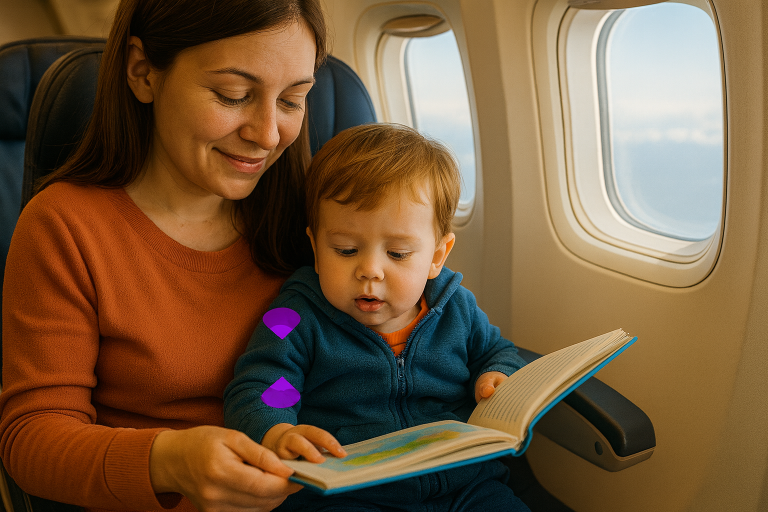
- Read or listen to a short bedtime story.
By signaling that it’s “bedtime” even at 35,000 feet, you’re helping your toddler’s brain recognize cues for rest. While it may not be perfect, even short naps can make a huge difference for the rest of the flight.
Handling Toddler Emotions and Meltdowns
No matter how much you prepare, meltdowns happen. Turbulence, ear pressure, or simple frustration can trigger tears. What matters most is your response. Staying calm, using gentle words, and offering physical comfort like a hug or rocking can help.
Some parents also bring along familiar “comfort rituals.” This could be humming a song you usually sing at bedtime, telling a short story from memory, or even using guided breathing techniques to help both you and your child calm down.
Food and Hydration in the Air
Air travel can disrupt eating patterns, but snacks often double as both fuel and distraction. Keep portions small and frequent. Offer water often, since airplane air is dry and dehydration can make kids cranky. Avoid too much sugar, which can lead to bursts of energy at the worst times.
Making the Experience Positive
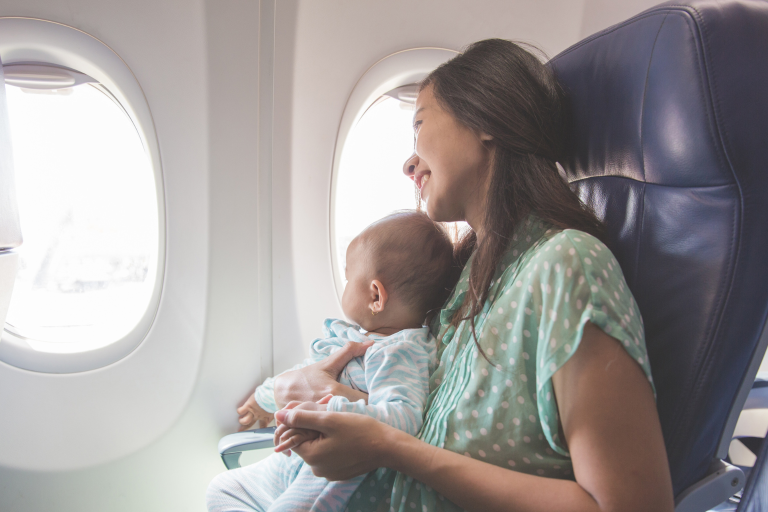
It’s easy to focus only on survival, but flights can also be moments of discovery. Point out the clouds, explain what’s happening when the plane takes off, or make a game out of spotting landmarks during descent. These small teaching moments help reframe flights as exciting adventures rather than stressful ordeals.
Conclusion
Traveling with toddlers on flights doesn’t have to be something parents fear. With preparation, activity rotation, and consistency in sleep cues, you can navigate the skies with far less stress. And when challenges do come up, because they will, remember that calm, connection, and comfort go a long way.
Flying isn’t just about reaching your destination. For toddlers, it’s also about learning how to adapt, trust their parents, and find comfort even in new environments. By approaching flights with patience and a plan, families can transform what feels like chaos into a memorable journey.